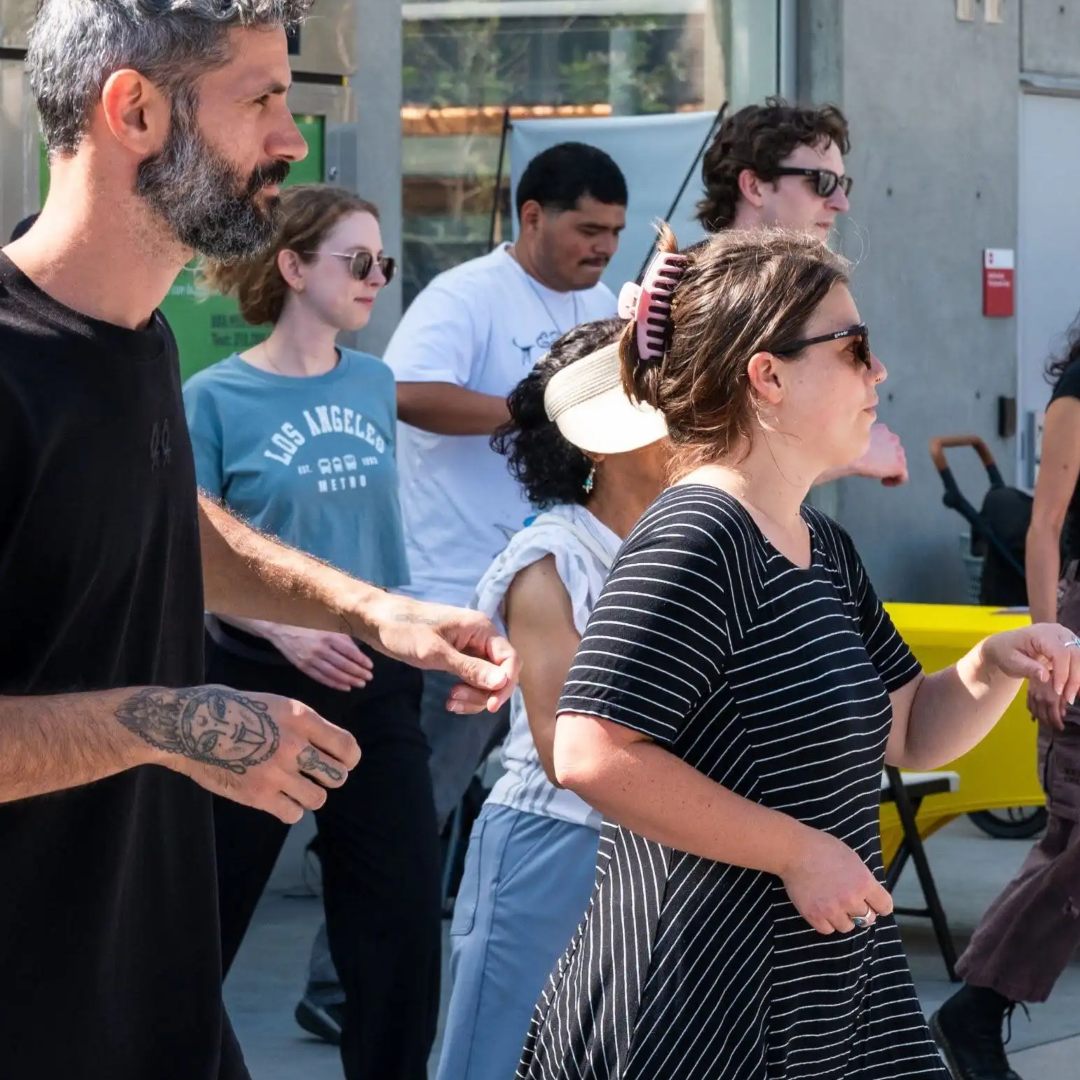
Dancing can keep your mind sharp by challenging your concentration, memory, coordination, and ability to learn new skills.
As you practice new steps, recall movement sequences, and follow the rhythm, your brain processes information and adapts to unfamiliar patterns. Dancing also requires quick decisions, movement adjustments, and reactions to the music or your partner.
These combined mental and physical demands make dancing an attractive activity for people of all ages.
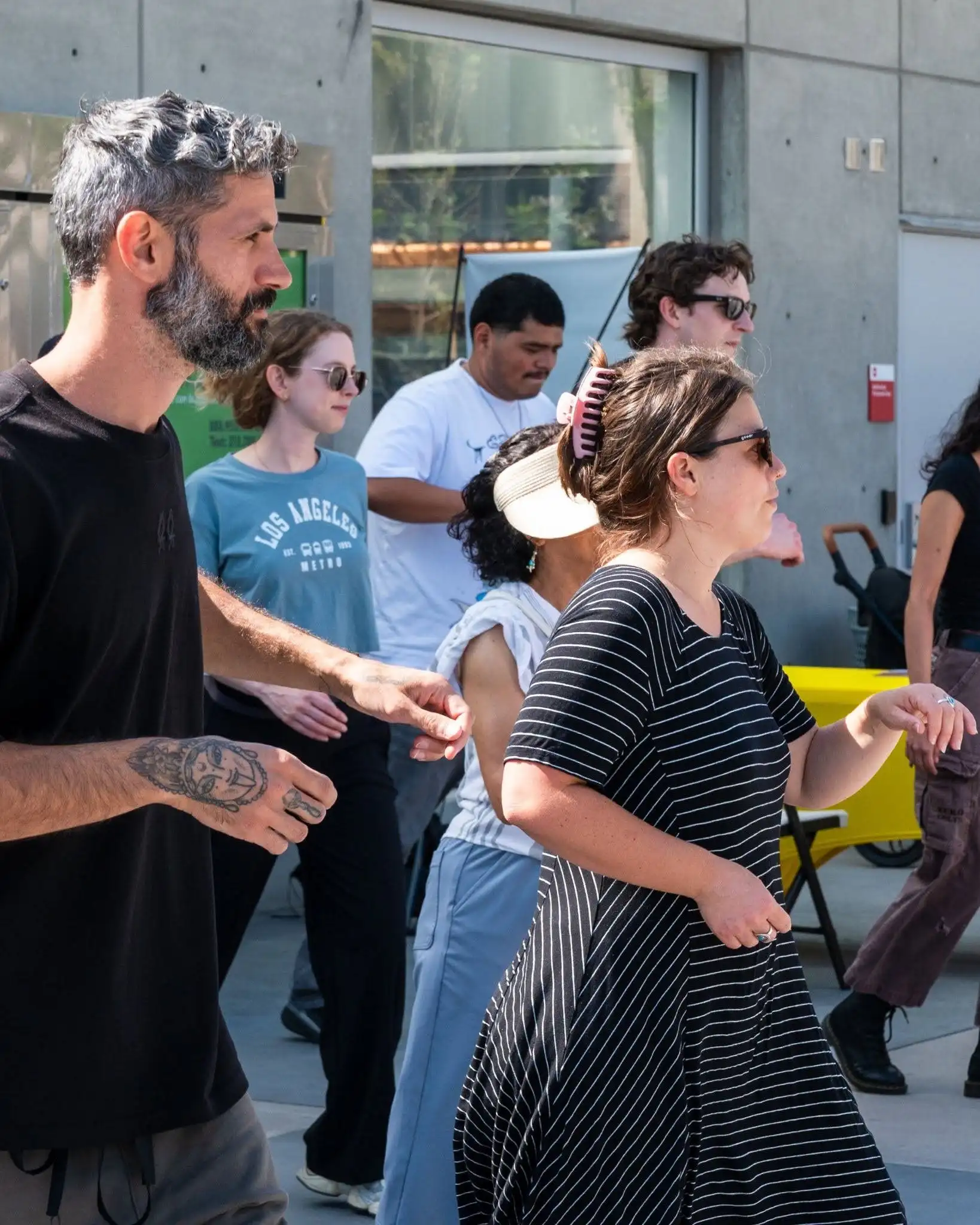
The connection between dance and the brain becomes particularly clear when you consider the skills practiced during a typical lesson.
When you learn choreography, you’re practicing how to remember information and put it together in the right order.
You’ll start with a simple pattern, repeat it a few times, and then connect it to the next sequence. This is very similar to remembering instructions or organizing information in everyday life.
Dancing won’t improve every kind of memory overnight, but practicing recall in your lessons is an excellent mental workout.
A practical tip is to review everything you’ve learned after the lessons. Try to recall the sequence on your own before watching a demonstration or asking your instructor for help. Even if you only recall part of it, you’re still reinforcing your learning and making progress.
When you’re learning a new style, you focus on your instructor’s explanations, watch demonstrations, listen to the rhythm, and notice how your body moves. If you’re just starting, it’s normal to feel like every detail needs your full attention.
As you practice, the movements will start to feel more natural, and you’ll find it easier to focus on timing, transitions, and technique. This shift from thinking about each step to moving through a whole sequence is a big part of how you grow as a dancer.
To get the most out of your lessons, try not to rush through new material. Focus on mastering one movement before adding the next, and don’t hesitate to ask your instructor if something isn’t clear.
Mental flexibility means being able to adapt when things change, and dance gives you plenty of chances to practice this skill.
Every dance style has its own rules. A Waltz moves in a smooth count of three, while a Cha-Cha uses quick, sharp steps and a completely different rhythm. Switching from one style to another asks your brain to let go of one set of patterns and quickly pick up another.
Social dancing takes it a step further, because you rarely know exactly what comes next. The leader decides which steps to dance in the moment, so the follower has to read and respond to each new signal. And on a busy dance floor, both partners need to adjust their path, shorten their steps or change direction to avoid other couples. Each of these moments trains you to stay alert and adapt quickly instead of sticking to a fixed plan.
Music adds another layer of mental engagement to the relationship between dancing and the brain. You’ll learn to pick up on the rhythm, notice changes in the beat, and match your steps to the music.
For example, a slow Waltz encourages fluid movement and timing, while Tango introduces sharp walks, side steps, and dramatic pauses. Each style can help you build coordination and musical awareness in its own way.
Dancing may support brain health as you age, because it combines physical activity, social interaction and mental stimulation.
Researchers have investigated whether these benefits could reduce dementia risk and support cognitive abilities such as memory, attention, and coordination.
A study from the Albert Einstein College of Medicine, published in the New England Journal of Medicine, found that people who dance regularly have a 76% lower risk of developing dementia.
However, such findings don’t prove that dancing directly prevents the condition. People who dance regularly may also have other healthy lifestyle habits that influence their cognitive health.
Nevertheless, dancing offers an enjoyable way to stay active, connect with others, reduce stress and learn new skills. These benefits make it a valuable part of a healthy lifestyle, alongside good sleep, regular exercise, and a balanced diet.
If you notice ongoing memory issues or changes in your daily life, talk to a healthcare professional.
You can start at any age, and you don’t need experience, a natural sense of rhythm, or a partner to begin.
At PRO DANCE Studios - Playa del Rey, we’ve welcomed students who began learning to dance at 40, 50, 60, and beyond. Private lessons give you a personalized approach and let you learn at your own pace.
With help from our experienced team and a step-by-step method, you can practice new movements, improve your coordination, and build self-confidence without feeling rushed or pressured to keep up with others.
At PRO DANCE Studios - Playa del Rey, our team breaks movements into manageable parts, revisits challenging sequences and gradually increases the difficulty as you improve, so your mind stays engaged and your confidence keeps growing.
Book a private dance lesson or call us at (310) 871-5452 to experience the mental and physical benefits of dancing for yourself.